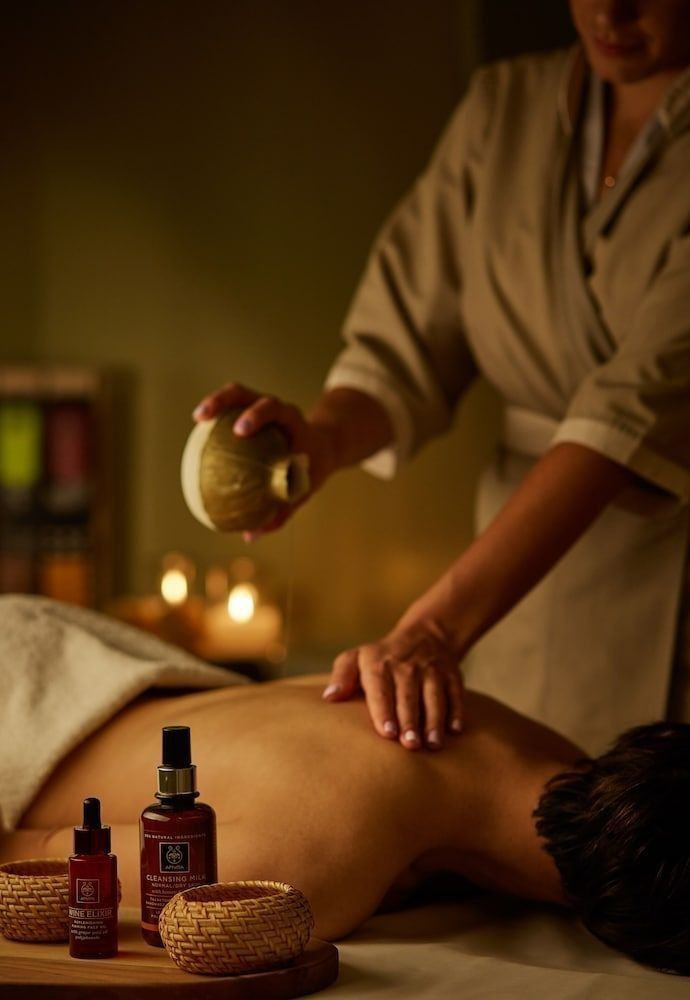
If you’re looking for a deep tissue massage in Leamington Spa, The Warwick Spa offers a welcoming space to take a break from everyday demands and focus on areas of muscular tension. Whether you spend long hours at a desk, have an active lifestyle or regularly notice tightness in your back, neck or shoulders, a targeted massage may be worth considering.
Unlike a lighter, more flowing massage, deep tissue massage uses slower, firmer techniques to work on specific areas of tension. Your treatment can be adapted to your preferences, with the aim of helping you feel more comfortable and relaxed without applying unnecessary pressure.
Located at Space Business Centre in Tachbrook Park, Warwick, The Warwick Spa welcomes clients travelling from Leamington Spa and nearby areas. If you’re considering a more focused massage treatment, our team can help you understand what to expect and whether deep tissue massage is a suitable choice for you.
Deep tissue massage is a massage technique that focuses on deeper layers of muscle and the surrounding connective tissues. It typically involves slower movements, sustained pressure and more targeted work than a general relaxation massage.
Rather than treating the entire body with the same movements throughout, the therapist can concentrate on particular areas where you experience tightness or muscular discomfort. These might include the upper back, shoulders, lower back or legs, depending on your preferences and the treatment you book.
Deep tissue massage is often chosen by people who prefer a firmer touch or find that a lighter massage does not meet their needs. However, firmer pressure does not automatically mean a better treatment. The right approach depends on your body, your comfort level and what you hope to get from the session.
At The Warwick Spa, communication is an important part of the experience. Let your therapist know which areas you would like them to focus on and whether you have any concerns before the massage begins. You can also ask for the pressure to be adjusted during your appointment.
People choose deep tissue massage for different reasons. You might want to focus on a particular area of tightness, enjoy a more targeted massage than a traditional relaxation treatment offers, or simply prefer firmer pressure. Here are a few situations in which you might consider booking.
Spending much of the day sitting at a computer, driving or using a phone can leave your shoulders and upper back feeling tense. You may notice that you hold your shoulders up without realising, or that your upper back feels uncomfortable after a long day.
A deep tissue massage can focus on these areas using controlled pressure and slower techniques. You can explain where you tend to hold tension so your therapist can tailor the session to your preferences.
If your discomfort is persistent, severe or accompanied by symptoms such as numbness or weakness, seek advice from a healthcare professional rather than relying on massage alone.
Exercise can leave your muscles feeling tired or tight, particularly after unfamiliar movements or an increase in training intensity. Some people enjoy deep tissue massage as part of their wider self-care routine because it gives them time to focus on areas that feel tense following physical activity.
It is important to distinguish ordinary post-exercise muscle tightness from an injury. Deep tissue massage is not suitable for every type of pain, and applying firm pressure to a recent injury may make things worse. Allow time for recovery and seek appropriate advice if you suspect you have injured yourself.
You do not need to be a regular gym-goer to experience muscular tension. Repetitive tasks, standing for long periods, physical work and busy daily routines can all leave certain areas feeling tired. If you notice recurring tightness after work or during periods when you have little time to relax, a massage appointment can provide an opportunity to slow down and focus on your comfort.
Some people simply prefer a massage that feels more focused and firm. If you enjoy targeted techniques rather than gentle, flowing movements, deep tissue massage may suit your preferences. You should never feel that you have to tolerate uncomfortable pressure to get the most from a session. A good treatment should take your comfort seriously, and you should feel able to speak up whenever something does not feel right.
Finding time for yourself can be difficult when your week is filled with work, responsibilities and social plans. Booking a massage offers a chance to step away from your usual routine and give yourself some dedicated time. The Warwick Spa is based in Tachbrook Park, Warwick, making it an option for people searching for a deep tissue massage near Leamington Spa without needing to travel far from the local area.
Whether you are planning an appointment after a busy working week or making time for yourself between other commitments, the aim is to provide a calm setting where you can concentrate on your treatment. We understand that no two clients are exactly alike. One person may want more attention on their shoulders, while another may prefer to focus on their back or legs. Explaining your preferences before your session helps the therapist understand what you are looking for and adjust the treatment accordingly.
If you are travelling from Leamington Spa town centre, you can plan your visit around your day rather than having to make a longer journey for your appointment. It can also be a useful opportunity to make self-care part of your regular routine, provided the treatment is suitable for you.
If this is your first deep tissue massage, you may be wondering how it differs from other treatments and whether it will be uncomfortable. Knowing what happens during an appointment can help you feel more prepared.
Your appointment should begin with a conversation about your preferences, the areas you would like to focus on and any relevant health concerns. Be honest about previous massage experiences, injuries, medications or medical conditions that could affect your suitability for treatment. This is also the time to discuss pressure. You do not need to request the firmest possible massage to benefit from a targeted approach. Your comfort and individual needs should guide the session.
Deep tissue massage generally uses slower, more focused movements and firmer pressure than a typical relaxation massage. Your therapist may spend more time working on specific areas rather than using the same technique across your whole body.
You may notice a feeling of pressure around tight muscles, but it should remain manageable. Sharp pain, burning sensations, numbness or pressure that makes you tense up are signs to speak up immediately. Your therapist should be able to modify the technique or move to another area. Remember that you are an active part of the experience. Letting your therapist know what feels comfortable helps them adapt the treatment rather than guessing how much pressure you can tolerate.
You may feel relaxed or notice that the areas worked on feel different afterwards. Some people experience mild, temporary tenderness following a firmer massage, but significant pain or extensive bruising should not be treated as a normal or necessary part of the experience.
Take things gently if you feel sore, stay hydrated as you normally would and avoid immediately pushing yourself through an intense workout if your muscles feel tender. If discomfort is severe, worsening or persistent, seek medical advice.
One of the most common concerns about deep tissue massage is whether the firmer pressure will hurt. The treatment can feel more intense than a Swedish or relaxing massage, particularly when the therapist is working on an area that feels tight.
However, deep tissue massage should not be about enduring pain. More pressure is not always more effective, and you should not have to grit your teeth or hold your breath throughout the appointment. You might experience a strong but comfortable sensation as the therapist works on a particular area. If the pressure becomes painful, tell them straight away. They can reduce the intensity, change their technique or avoid that area.
If you are new to deep tissue massage, it is perfectly reasonable to begin with moderate pressure and see how you feel. Your therapist can discuss your preferences with you rather than assuming you want the firmest possible treatment.
Choosing a treatment that respects your comfort can make the experience more enjoyable and help you decide whether this style of massage is right for you.
If you are comparing massage treatments in Leamington Spa, it helps to understand the difference between deep tissue and Swedish massage. Swedish massage typically uses flowing strokes and kneading movements to encourage relaxation and ease general muscular tension. It is often a good option if you want a more soothing, full-body experience. Deep tissue massage, on the other hand, tends to use slower, firmer and more targeted techniques. It may be more appealing if you have specific areas of muscular tightness you would like the therapist to focus on.
Neither treatment is automatically better than the other. If your main priority is switching off and enjoying a gentle massage, Swedish massage may be the better fit. If you prefer focused work and firmer pressure, deep tissue massage could be worth considering.
You can also explore other options, such as hot stone massage, if you would prefer a treatment that incorporates warmth and a more soothing experience. Thinking about how you want your appointment to feel is often the easiest way to narrow down your choice.
Deep tissue massage is not appropriate in every situation. Although many people enjoy massage as part of their wellbeing routine, firmer pressure can be unsuitable for certain medical conditions, injuries or stages of recovery. Speak to a healthcare professional before booking if you have a significant medical condition, a bleeding or clotting disorder, take anticoagulant medication, have fragile bones, or have recently undergone surgery. Do not have massage over a suspected blood clot, an area with an active infection or a recent injury that has not been assessed. If you experience sudden swelling, redness, warmth or pain in one leg, seek urgent medical assessment rather than booking a massage. Chest pain or sudden difficulty breathing requires emergency medical attention.
You should also tell your therapist if you are pregnant, have reduced sensation or circulation problems, or have any other concern that could affect the safety of firm pressure. If you have ongoing pain or a condition that requires rehabilitation, a qualified healthcare professional can advise whether massage is appropriate and whether you would benefit from a clinical treatment instead.
The purpose of discussing these details is not to make booking complicated. It helps ensure that the treatment you choose is appropriate for your circumstances.
If you are looking for a deep tissue massage in Leamington Spa, The Warwick Spa offers a convenient option nearby in Tachbrook Park, Warwick. Whether you prefer focused work on particular areas or want to explore a firmer massage as part of your self-care routine, taking the time to choose a suitable treatment is a good place to start. Before booking, consider which areas you would like to focus on, how much pressure you usually enjoy and whether you have any health concerns to discuss. If you are unsure whether deep tissue massage is the right choice, our team can help you explore the available treatments.
Ready to make time for yourself? Visit The Warwick Spa’s deep tissue massage page to learn more about the treatment and arrange your appointment. We look forward to welcoming you from Leamington Spa.